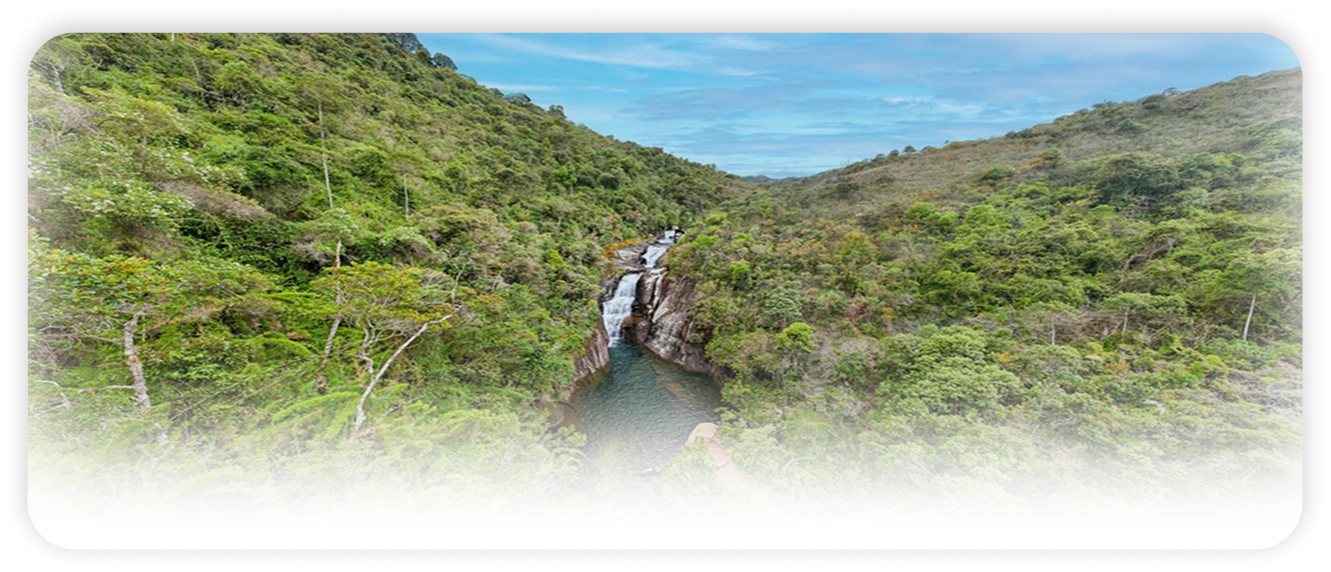
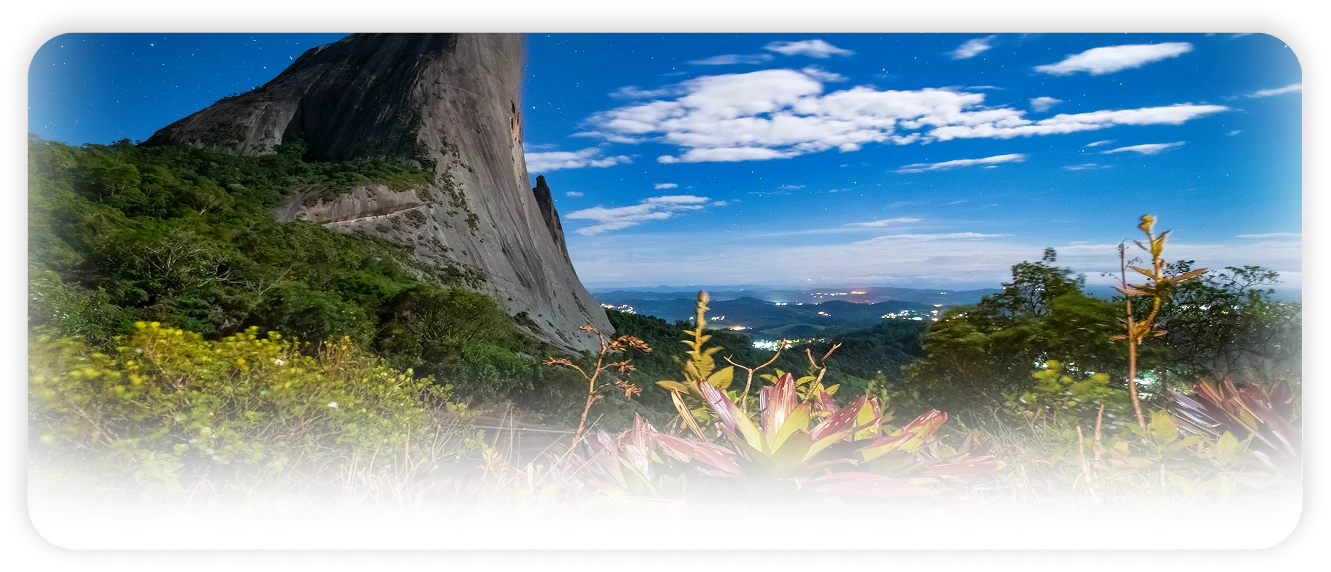
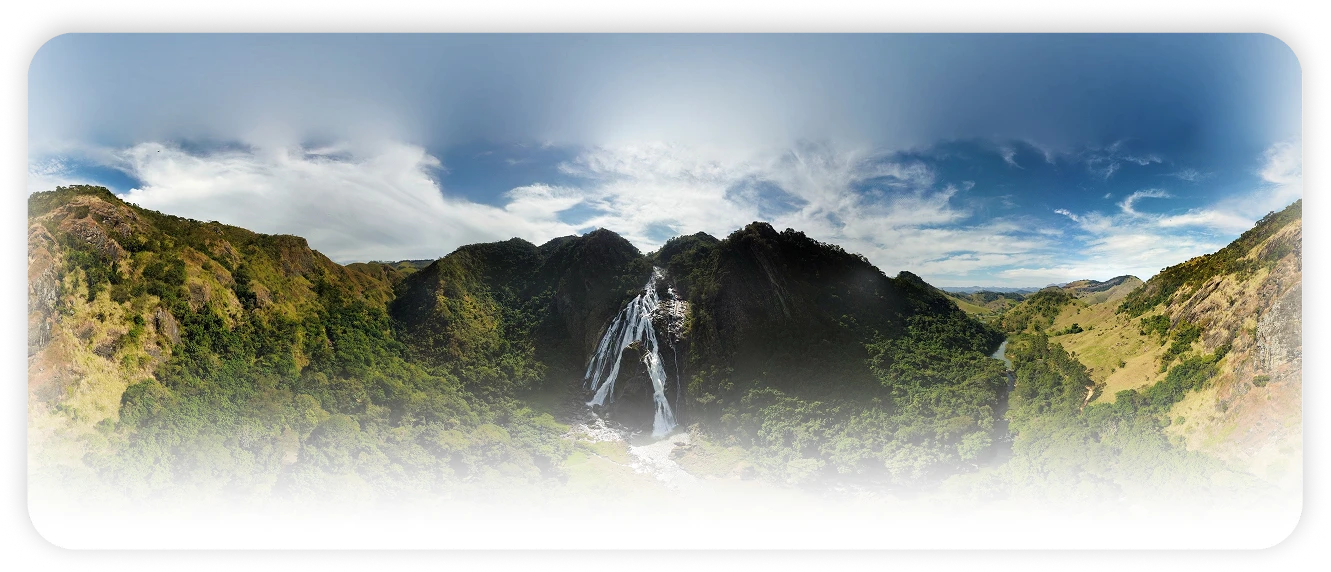
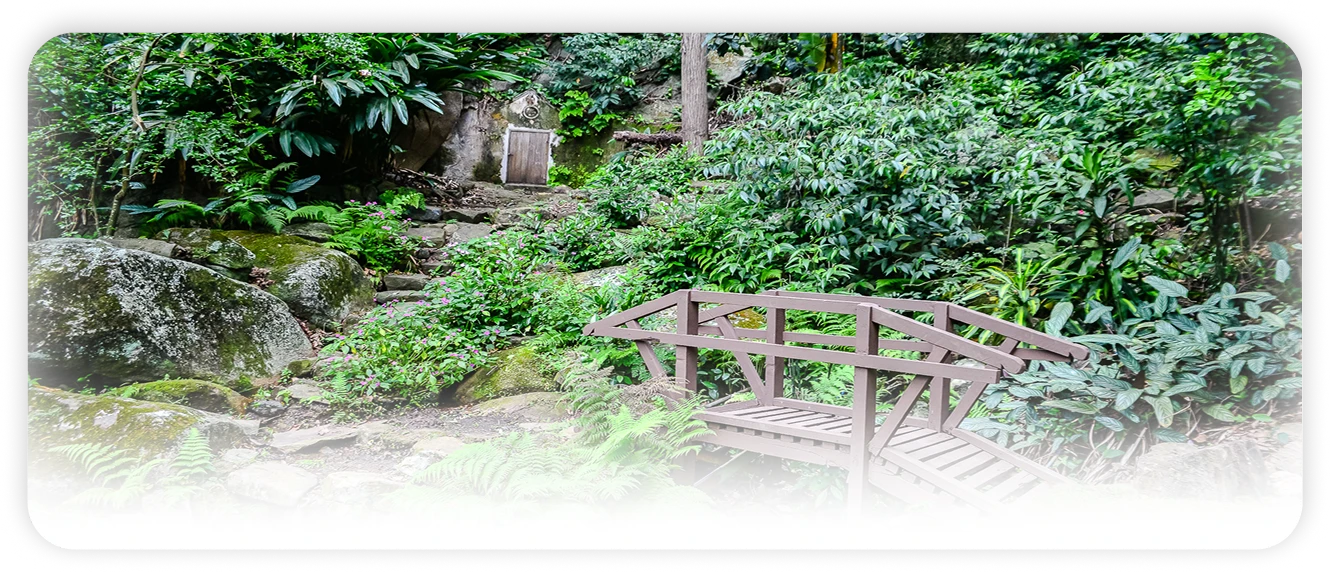
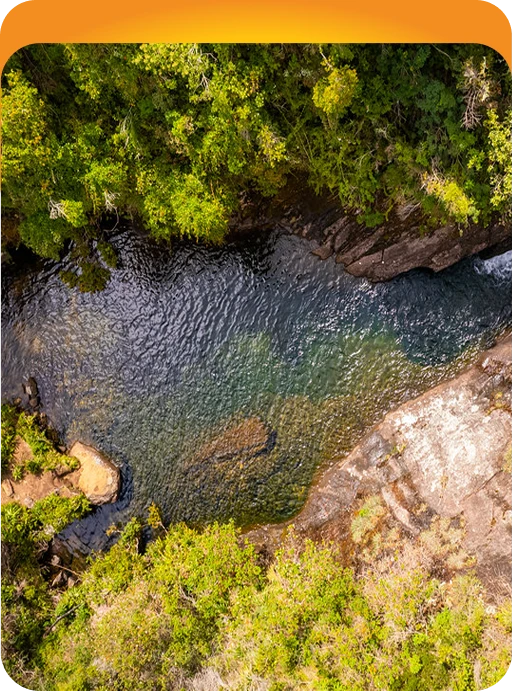
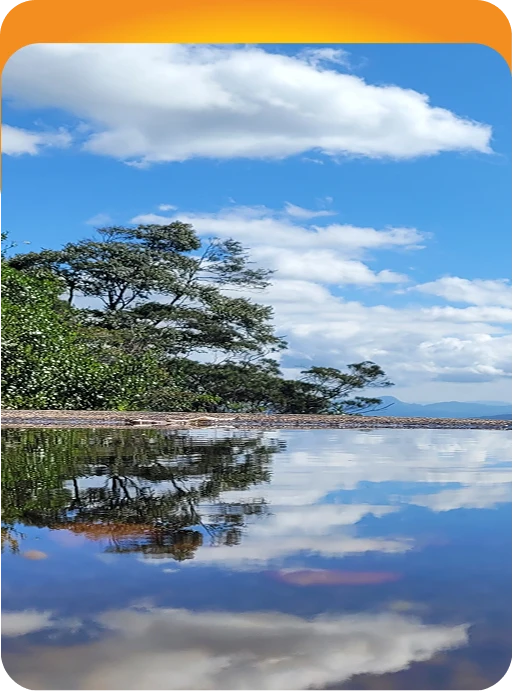
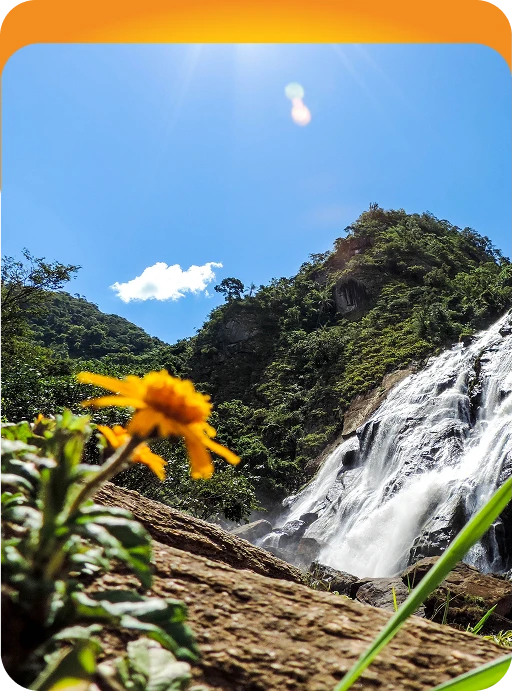
Amid soft clouds and silent valleys, the mountains of Espírito Santo hold true treasures for those who wish to breathe deeply, walk without hurry, climb imposing rock faces, and marvel at the power of nature in every detail. There are five parks that captivate visitors with their unique beauty and the intense, memorable experiences they offer: Caparaó National Park, home to the majestic Pico da Bandeira; Pedra Azul State Park, with rock formations that change color throughout the day; Cachoeira da Fumaça State Park, where water plunges in veils of mist that dance with the wind; Fonte Grande State Park, a green refuge in Vitória with trails and breathtaking viewpoints; and Gruta da Onça Municipal Park, also in the heart of the capital of Espírito Santo, featuring Atlantic Forest vegetation, streams, and viewpoints that delight its visitors. Visiting these destinations reveals that Espírito Santo has the soul of

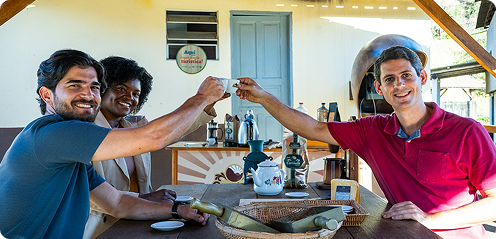
Caparaó National Park is an unmissable destination for those who dream of touching the sky at Pico da Bandeira, witnessing the sunrise among the mountains, and bathing in icy, crystal-clear waters. But the true magic of Caparaó extends beyond its trails. In the surrounding area, towns such as Dores do Rio Preto (in Espírito Santo State) and Alto Caparaó (in Minas Gerais State) charm visitors with their hospitality and authentic experiences. You can visit farms that produce specialty coffees, taste artisanal cheeses, pure mountain honey, and even take part in gastronomic activities that celebrate rural culture.
For those seeking spirituality and well-being, the region offers spaces dedicated to meditation, forest bathing, and interactions with nearby communities. Trails on private properties, river bathing, horseback riding, and hidden viewpoints complete the journey. Caparaó is not only the path to the summit — it is also a deep immersion in landscapes, flavors, and ways of life that touch the soul.
The trails of Pedra Azul State Park reveal the strength and beauty of nature in Espírito Santo, with natural pools carved into the rock, lush vegetation, and the imposing Pedra Azul, which changes color as the day progresses. But the charm expands beyond the park. In the municipalities of Domingos Martins and Venda Nova do Imigrante, you will find agrotourism circuits offering unforgettable experiences: picking strawberries straight from the plant, learning traditional Italian recipes, observing the production of artisanal cured meats, and strolling among organic plantations.
The charming Lagarto Route is an attraction in its own right: colonial coffee shops, bistros, craft breweries, hidden studios, and small shops full of character line a scenic road with constant views of the mountains. Cultural performances, gastronomic festivals, and charming inns offering sunset picnics or ofurô baths make the experience even more memorable. An itinerary for all the senses.
Cachoeira da Fumaça is the heart of the state park that bears its name, and its roar echoes like an invitation to contemplation. But the spectacle continues beyond the waterfall. The municipality of Alegre, where the park is located, is part of the Path of Waters, a route of nature and tranquility that includes rural properties with springs, ecological trails, and accessible waterfalls. Many properties offer day-use visits including river bathing, meals cooked on a wood stove, and guided tours.
The region also stands out for its community-based tourism. Visitors can experience the production of wild honey, participate in agroecological practices, taste traditional dishes prepared with care, and rest in accommodations that emphasize connection with the land. With workshops, conversation circles, and integrative therapies, the visit becomes a journey of reconnection with nature.
Standing at the top of Fonte Grande State Park offers a new perspective of Vitória. Native vegetation, serene trails, and panoramic viewpoints form a green refuge in the heart of the capital. But the city that stretches at the foot of the mountain also offers vibrant experiences. Descending the hills, visitors can stroll through historic neighborhoods, visit centuries-old churches, museums, and the charming Mercado da Capixaba, where local culture pulses through flavors, colors, and handicrafts.
During the day, you can take boat tours around Vitória Bay, explore the coastline, observe humpback whales during the season (between June and November), and visit the Humpback Whale Center. Add to your itinerary a visit to the Goiabeiras Potters Association, where you can experience the historical roots and cultural legacy of the traditional clay pots that symbolize the culture of Espírito Santo. At night, creative bars and restaurants blending regional and contemporary cuisine bring the capital to life. In just a few minutes, the city offers the perfect balance between preserved nature and an intense cultural life.
Traveling through the Capixaba Mountains also means immersing yourself in the diversity of their flavors. Local gastronomy blends immigrant traditions with ingredients typical of the mountains: polenta with sun-dried beef, smoked socol, capixaba pies, aged cheeses, native fruit jams, and fresh trout are among the highlights. Everything is paired with award-winning specialty coffees, fine wines, and craft beers produced with care and identity.
Municipalities such as Venda Nova do Imigrante, Domingos Martins, Santa Teresa, and Alegre offer gastronomic and agrotourism routes that allow visitors to experience cuisine at its source. Seasonal harvests, visits to artisanal production facilities, tasting recipes passed down through generations, and sharing a table with those who live from the land turn every meal into a celebration of the earth. Festivals such as the Cheese Festival, the Polenta Festival, and the Trout Festival are moments when flavor meets the culture and warmth of the mountains. Eating in the Capixaba mountains is savoring the soul of the region.
The predominant climate in the Capixaba Mountains is tropical highland climate, with mild temperatures throughout the year. Summers (December to March) are hot and humid, while the winter months (June to August) are drier and cooler. In higher areas, such as Pico da Bandeira, temperatures can drop below freezing during the early morning hours.
It all depends on the type of experience you are looking for. For hiking and clear-sky landscapes, visit between April and September. If you want to enjoy the mountain cold, traditional festivals, and harvest seasons, June and July are the most recommended months.
Bring light clothing for daytime and warm layers for the evening, especially in winter. Wear closed, non-slip shoes for hiking and do not forget sunscreen, a hat or cap, and a reusable water bottle. Check whether advance booking is required, as some parks require prior reservation for visits. For a richer experience, consider hiring local tour guides or adventure tourism guides, and take advantage of the region’s community-based tourism initiatives.
Embratur and Visit Brasil are not responsible in cases of poor performance or not providing the experience conveyed. Service providers are solely responsible for the activities sold.
Soon, more natural parks itineraries will be launched.
©2025. Embratur & Visit Brasil | All rights reserved.