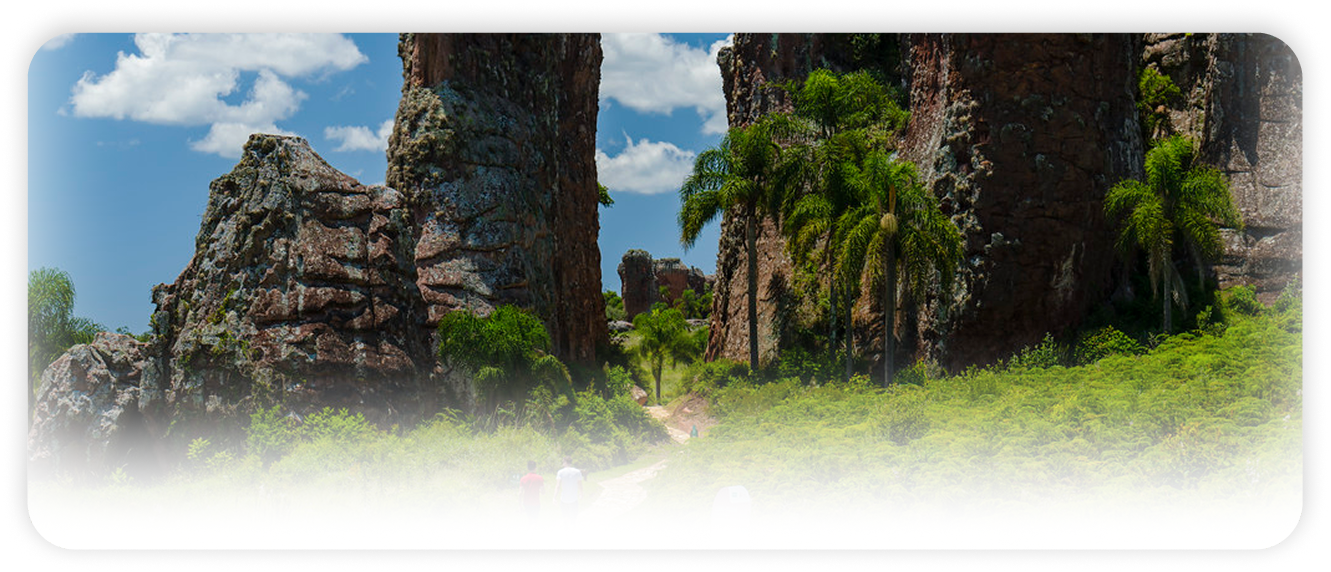
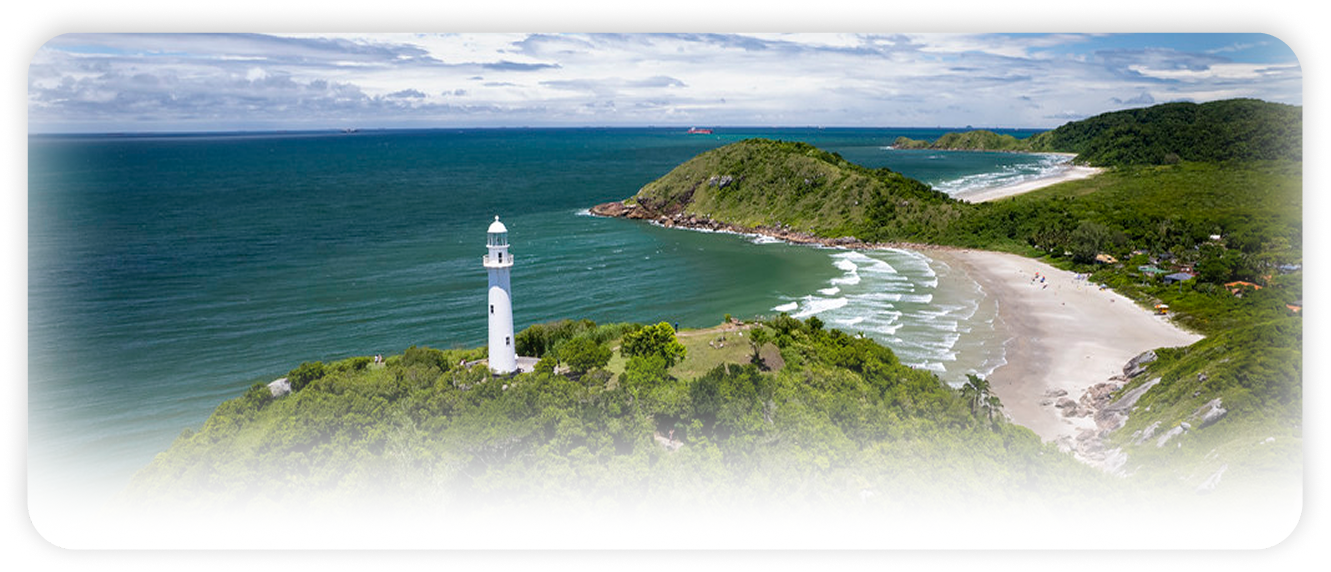
The Caminhos do Peabiru form a legendary network of ancestral trails that are more than 3,000 years old, historically connecting the Atlantic Ocean to the Pacific. This transcontinental route crosses Brazil, Paraguay and Bolivia, until it reaches Peru. Crossing Paraná from east to west, the journey integrates several natural treasures: from the preserved beaches of Ilha do Mel State Park, to the open fields and rock formations of Campos Gerais National Park, through the surreal landscapes of Vila Velha State Park to the spectacle of the waters in the Iguaçu National Park. This ecotourism and adventure route runs through the Atlantic Forest, uniting biodiversity and guardian communities of ancient knowledge. More than a destination, it is a dive into the spirit of the forests and the living memory of the peoples who shaped these paths.

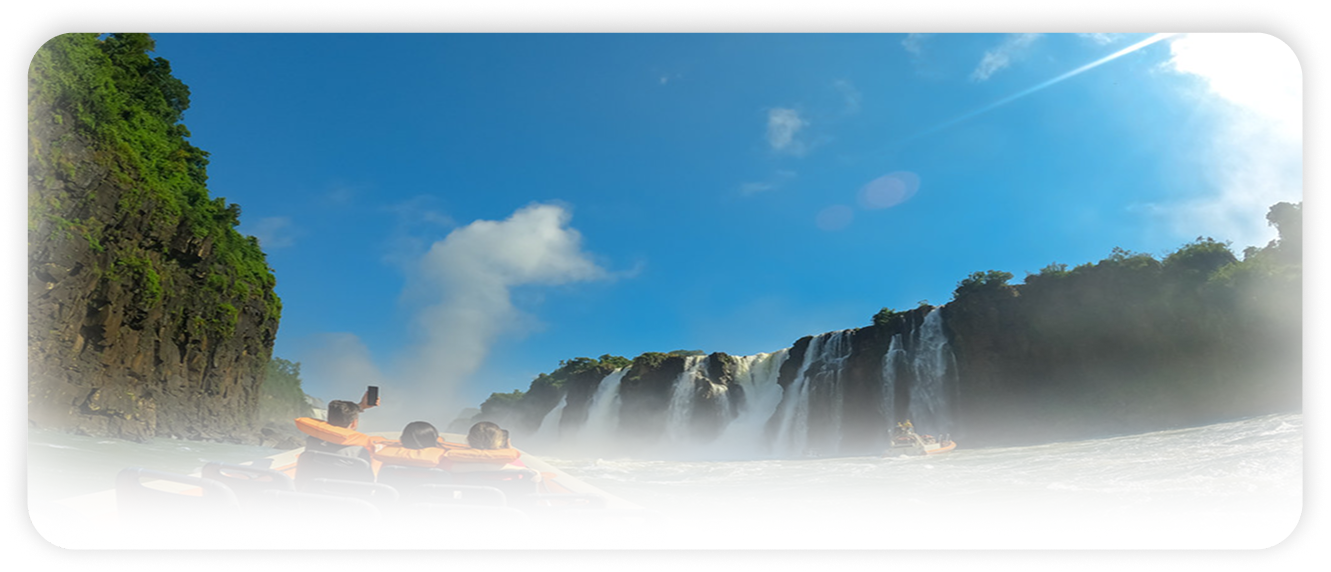
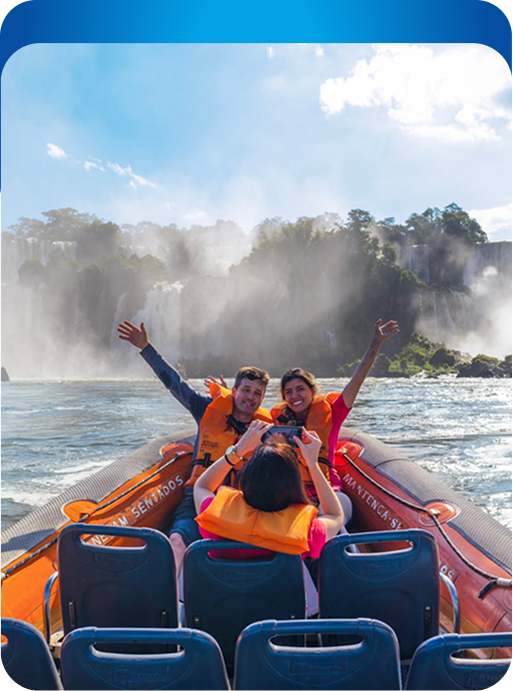
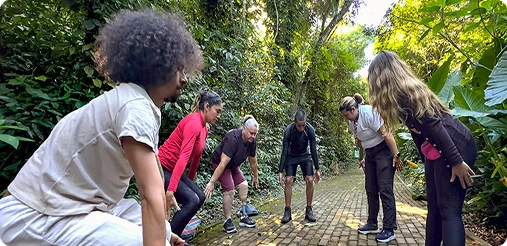
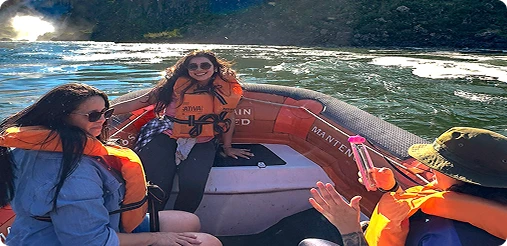
Get ready to feel the pulse of the earth. The experience in the Iguaçu National Park goes far beyond contemplating the largest set of waterfalls in the world. Adventurers can take a dip in the waterfalls; sail in boats that defy the current; or explore the park on two wheels through bike trails. For those looking for deep connection, Forest Bathing invites to silence and guided meditation under centennial trees, tuning your breathing to the rhythm of the forest.
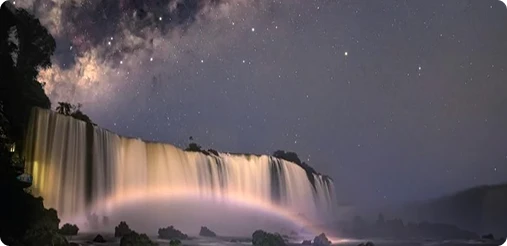
The magic continues when the sun goes down. Exclusive night experiences allow visitors to listen to the symphony of fauna and observe the starry sky away from the city lights. Whether flying in a helicopter over the “Devil’s Throat” or walking across the walkways, every moment in the park is designed to remind us that we are part of something immense and alive.
The Campos Gerais National Park is for those who love to put their sneakers on the dirt and hike. The region is crisscrossed by long-distance trails that challenge and reward the traveller with the feeling of absolute freedom. Walking here is to retrace, physically and spiritually, the paths of the original peoples, feeling the change of vegetation and the breadth of the horizons that characterize the “roof” of Paraná.
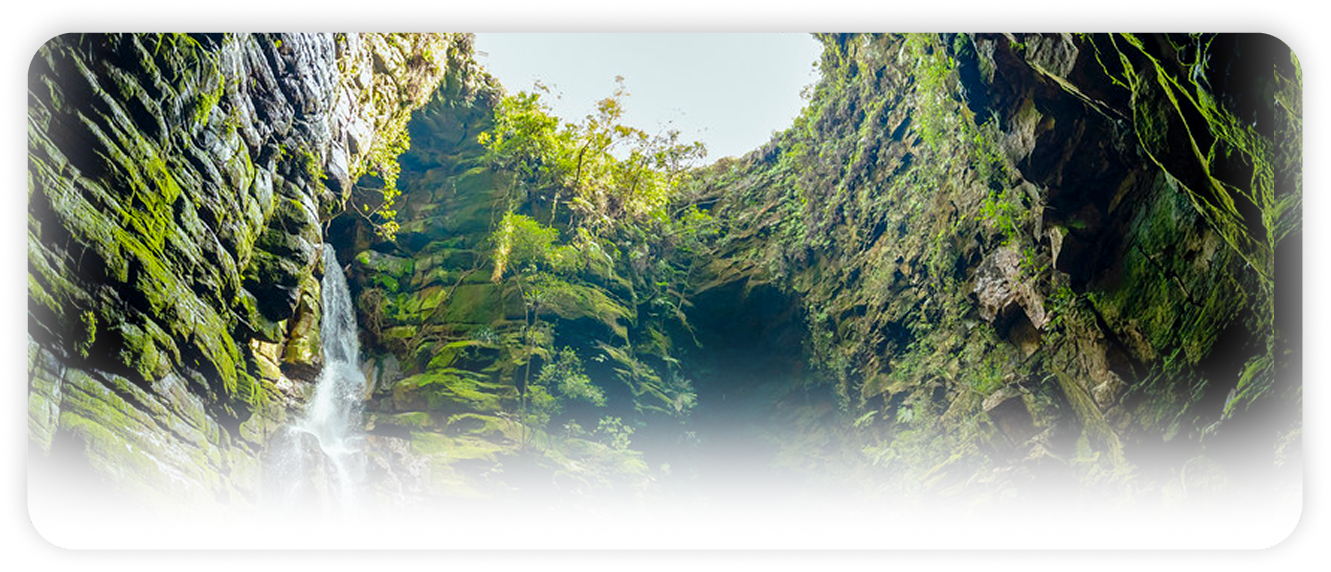
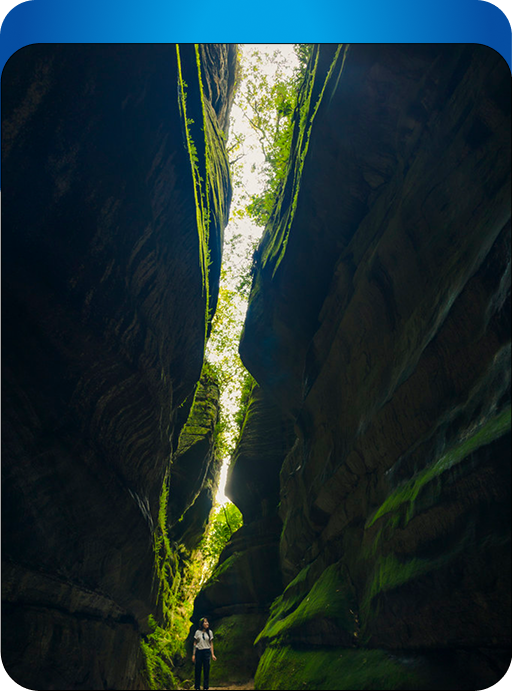
The experience expands to the subsoil and the waters. The region invites to the exploration of natural crevices and holes (such as the neighbouring caves), where falls plummet into natural pools of scenic beauty. This is a ‘root’ ecotourism destination, where luxury is isolation, the fresh air of high-altitude fields, and the possibility of feeling like an explorer in ancestral lands.
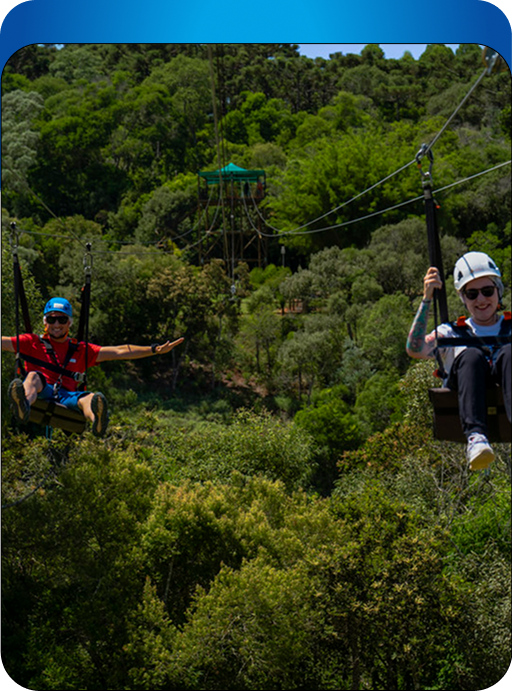
Turn the geological landscape into your amusement park. The Vila Velha State Park is an invitation to movement: the paved trails are perfect for bike touring, allowing visitors to travel through the large area of the park with freedom and wind on their faces. For those looking for vertical challenges, tree climbing and the zipline inside one of the caves offer an exciting and exclusive aerial perspective.
When the sun goes down, the park reveals its most mystical facet. The night walk is a unique experience, guided under the light of the moon and stars, rescuing the sense of mystery that ancient travellers felt when crossing these lands. It is the perfect opportunity to listen to the silence of the night and see the millenary formations gain new contours under the starry sky of Paraná.
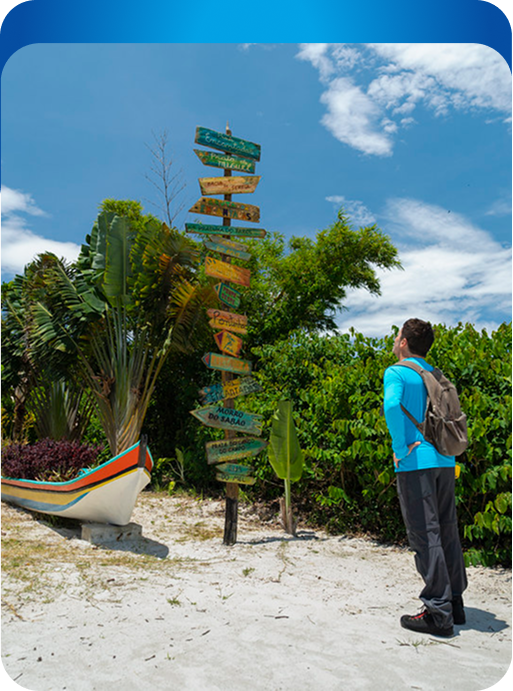
Even before arrival, the experience in Ilha do Mel begins on the boat crossing, which marks the disconnection from the urban world. Once on dry land (or rather, sand), the experience is about adopting a new rhythm. Rent a bike or walk barefoot along the trails that connect the villages, where the rustic architecture and the smile of the locals invite you to get to know the authentic caiçara [native inhabitants of the coast on southeastern Brazil] culture.
Gastronomy is an essential part of this journey: tasting fresh seafood in small family restaurants is to feel the taste of the Paraná coast. Take the opportunity to meditate to the sound of the waves or observe the rich birdlife that inhabits the sandbank. On Ilha do Mel, the best activity is to allow yourself to be present, tuning your biological clock to the sunrise and sunset.
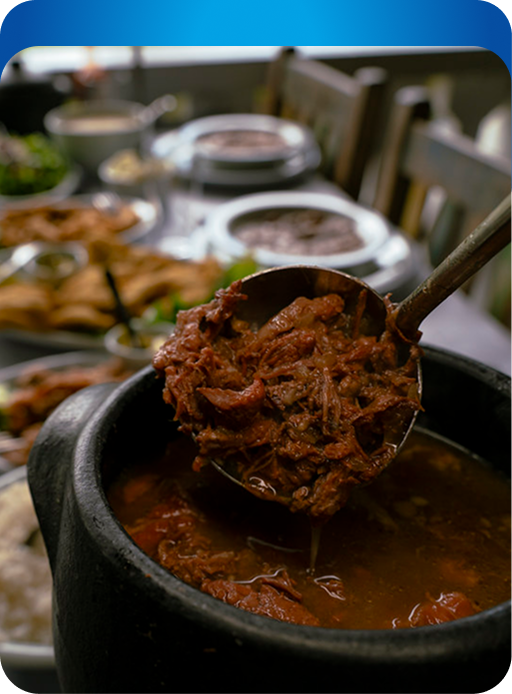
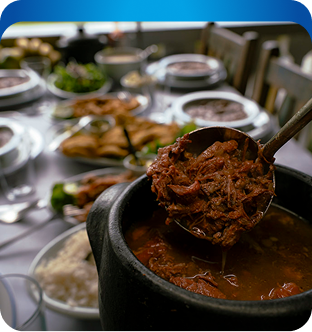
The gastronomy of Paraná is a delicious encounter between indigenous tradition, the heritage of the tropeiros and the customs of European immigrants. On the coast, the star is the “Barreado”, a dish with more than 300 years of history, where beef is slowly cooked in a sealed clay pot until it falls apart, being served with cassava flour and plantain. This caiçara cuisine contrasts harmoniously with the capital and the countryside of the State, where the influence of Polish, Ukrainians, Italians and Germans enriches the table with pasta, sausages and the famous colonial coffee.
In the highlands and general fields, the maximum icon is the pine nut, which is the seed of the araucaria, present in several recipes, from simple cooking in water and salt, to the invigorating entrevero and the dried meat paçoca. Added to this, grandiose dishes from popular festivals in the interior, such as Carneiro no Buraco (lamb) and Porco no Rolete (pork), and the ever-present mate, reveal a state where culture manifests itself intensely through taste.
Paraná has four well-defined seasons. Temperatures vary considerably depending on altitude: hot summers on the coast and in the west, and winters with low temperatures in the plateau region.
The parks can be visited year-round. Summer (December to March) is ideal for enjoying the coast and the Iguaçu Falls. Autumn (March to June) and spring (September to December) offer mild temperatures and little rainfall, being the best times for hiking and long walks.
Bring layered clothing, and comfortable, closed-toe shoes for the trails. The use of sunscreen lotion and insect repellent is indispensable. Be prepared for interruptions in internet signal in forest areas and canyons.
Embratur and Visit Brasil are not responsible in cases of poor performance or not providing the experience conveyed. Service providers are solely responsible for the activities sold.
Soon, more natural parks itineraries will be launched.
©2025. Embratur & Visit Brasil | All rights reserved.