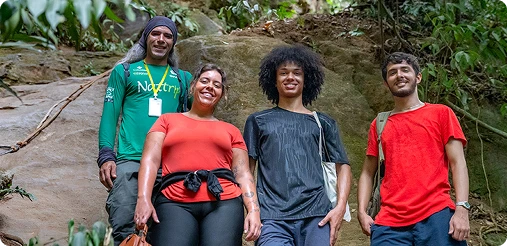
From the sunny coast to the mountains of Serra do Mar, the natural parks of the State of Rio de Janeiro create one of the most unique landscapes in Brazil. Trails across dense forests; viewpoints open onto iconic beaches and waterfalls emerge a few kilometres from vibrant urban areas. With more than 20 thousand species of flora, about 2,040 different species of fauna and recognition by UNESCO as a Biosphere Reserve, the Atlantic Forest biome reigns in the region. All of this comes to life in five unforgettable destinations: Tijuca National Park, Serra dos Órgãos National Park, Itatiaia National Park, Serra da Tiririca State Park, and Desengano State Park. Get ready to discover Rio de Janeiro, far beyond its beaches.

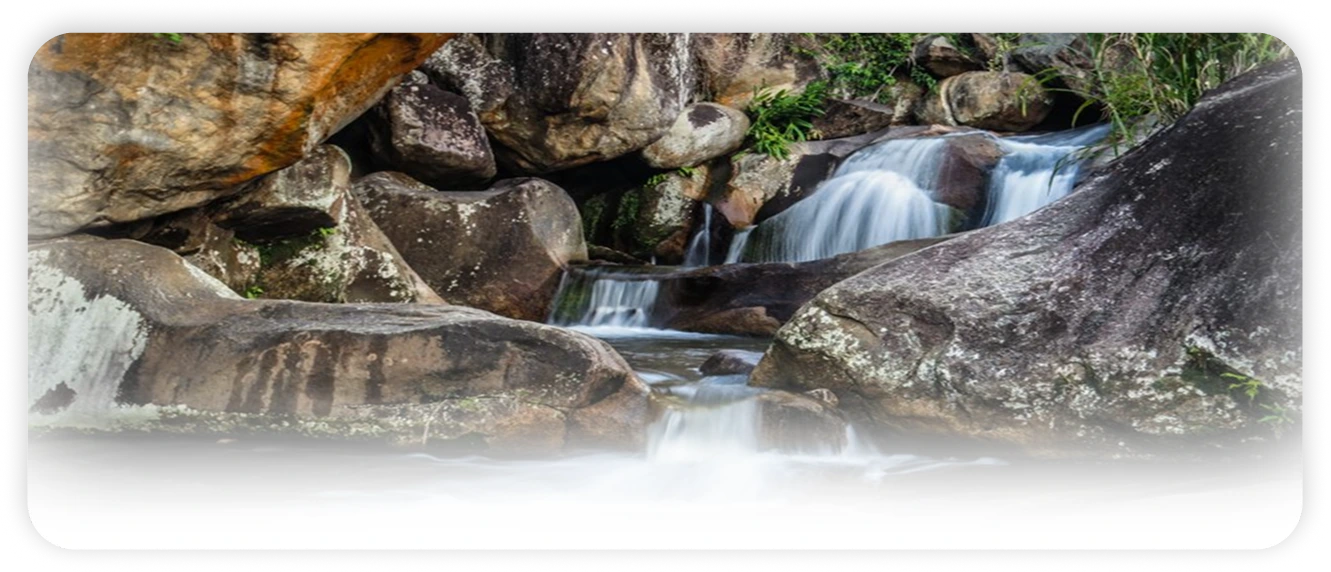
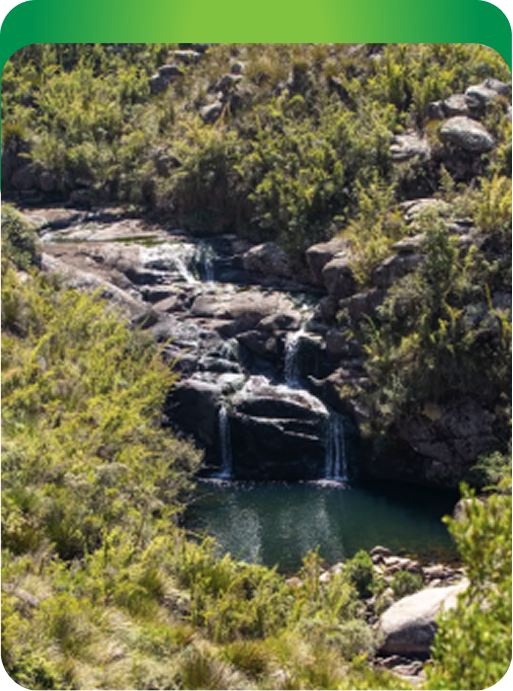
In Rio de Janeiro, walking along trails shaded by centuries-old fig trees and, minutes later, savouring an iced mate on the Ipanema beachfront is a reality. Tijuca National Park combines adventure and contemplation, with experiences ranging from climbing Pedra da Gávea to meditating before Christ the Redeemer. From up there, the sunset reveals the dramatic beauty between the green of the forest and the golden sea. Those seeking unique experiences can venture on the Secret Waterfalls Circuit or participate in educational tours about reforestation and conservation.
And after the trail? Explore Rio’s cultural side with a visit to the Museum of Modern Art or discover the vibrant Afro-Brazilian heritage on a tour of Little Africa. The city offers authentic experiences, such as going behind the scenes at a samba school or paragliding at Pedra Bonita. It’s nature, history, and emotion, all in one city.
Photo: Pedro Tosta
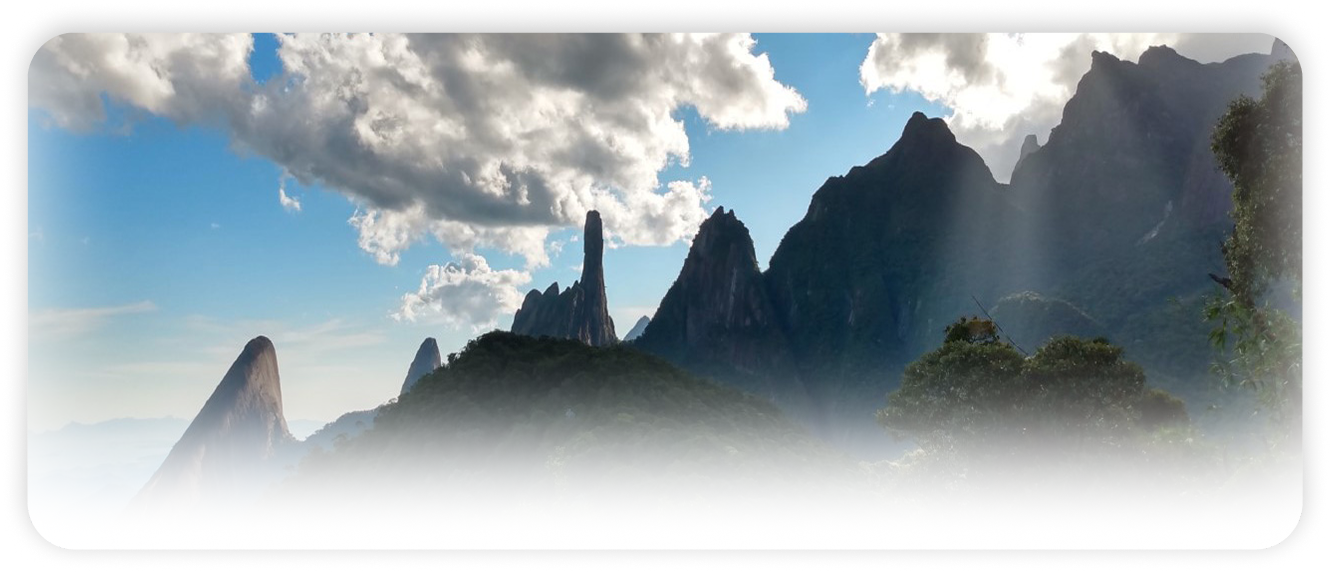
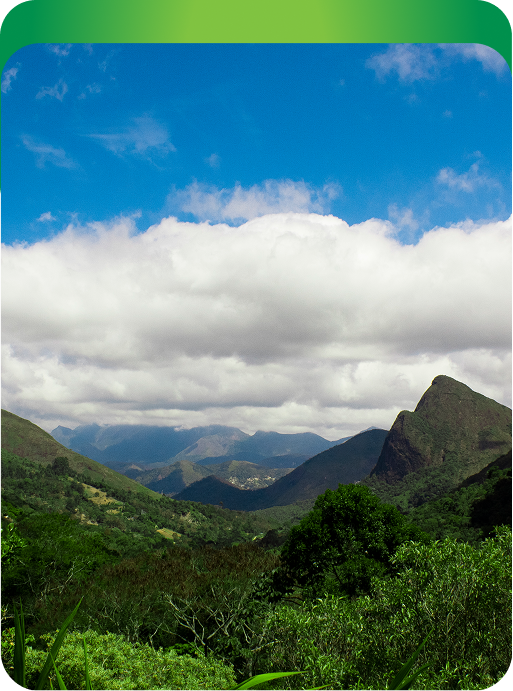
Between the valleys and dramatic peaks of Serra dos Órgãos, adventure has soul. Climbing the iconic Dedo de Deus and Agulha do Diabo, hiking along suspended trails, or crossing the famous Petrópolis-Teresópolis trekking route (long-distance route) in three days of pure connection with the mountains are experiences for those seeking self-improvement and breathtaking landscapes. All this amidst cloud forests, the sound of waterfalls, and the birdsong that accompanies every step.
And when the body asks for a break, the soul is grateful: Petrópolis and Teresópolis surprise with historical charm, craft breweries, and heartwarming cuisine. Between a walking tour through the imperial centre and a visit to Bauernfest (German Settler’s Festival) or an award-winning brewery, you’ll find the perfect balance between effort and reward.
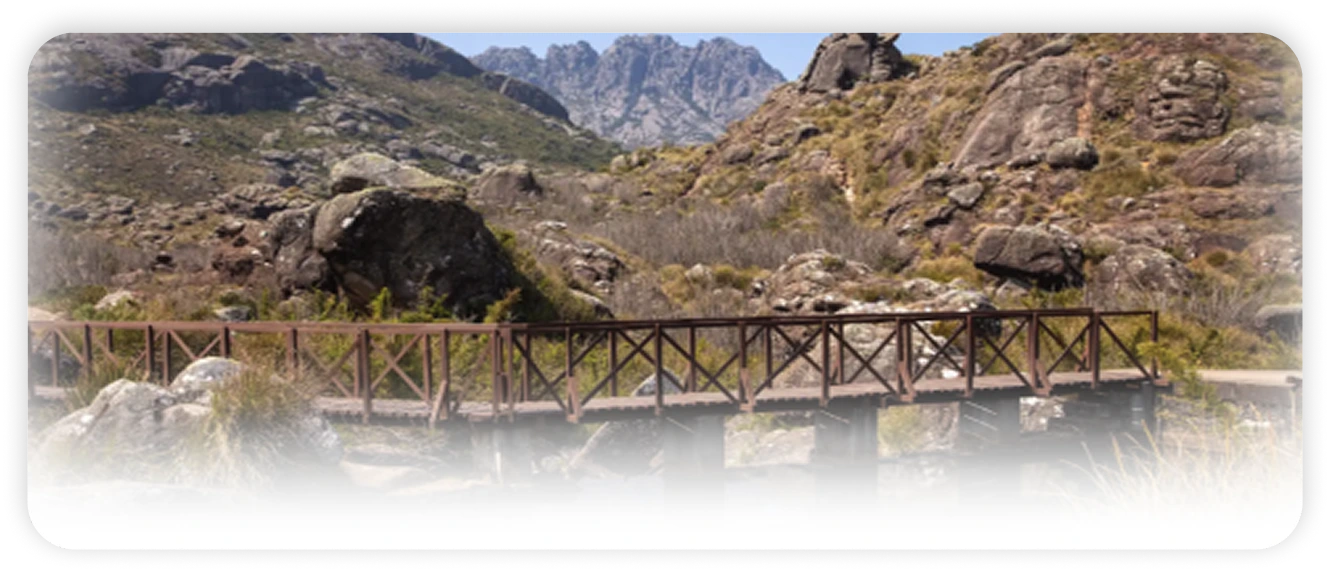
From the silence of the trails to the adrenaline of climbing, from tranquil waters to the challenge of the highest peaks in the Southeast, each experience in Itatiaia National Park is a journey between extremes. Climbing to the summit of Pico das Agulhas Negras and Prateleiras requires physical preparation and willing – in addition to climbing’s equipment and the accompaniment of experienced mountaineering guides – but the reward comes with a unique sense of accomplishment and spectacular views. On clear days, it is possible to see three Brazilian states from the top.
A few kilometres from the park, towns like Itamonte and Penedo complete the trip with an European charm, artisanal fondue, and shops full of local flavours. It’s the perfect setting for a post-hike afternoon, with freshly brewed coffee, mild weather, and hospitality that makes you want to stay. It’s also worth visiting Visconde de Mauá, Maringá, Maromba, and the Alcantilado Valley, where you can find many waterfalls and a mountain village atmosphere, with excellent gastronomy.
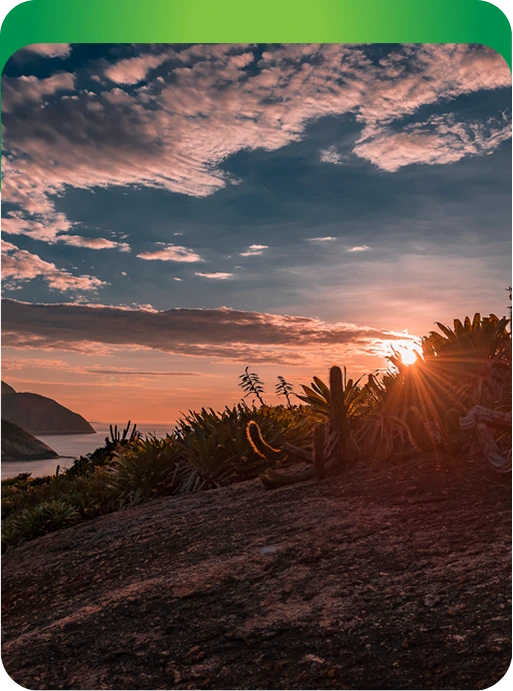
Few places offer the meeting of preserved Atlantic Forest, mountains, coastal viewpoints, and salty sea breeze like the Serra da Tiririca State Park. From the top of Pedra do Elefante, the view is breathtaking: an ocean that opens to infinity and rock formations that tell stories millions of years old. Several trails lead to impressive viewpoints, preserved coastal vegetation, and archaeological sites between Niterói and Maricá.
And the best part: right there, you can relax on almost deserted beaches like Itacoatiara, enjoy the sunset in trendy cafes, or sample the Caiçara (local) cuisine overlooking the sea. Niterói vibrates with street art, museums like the Oscar Niemeyer Museum of Contemporary Art, and samba circles at dusk. An immersion where the coast meets the environmental and cultural legacy.
Photo: Samir mansur
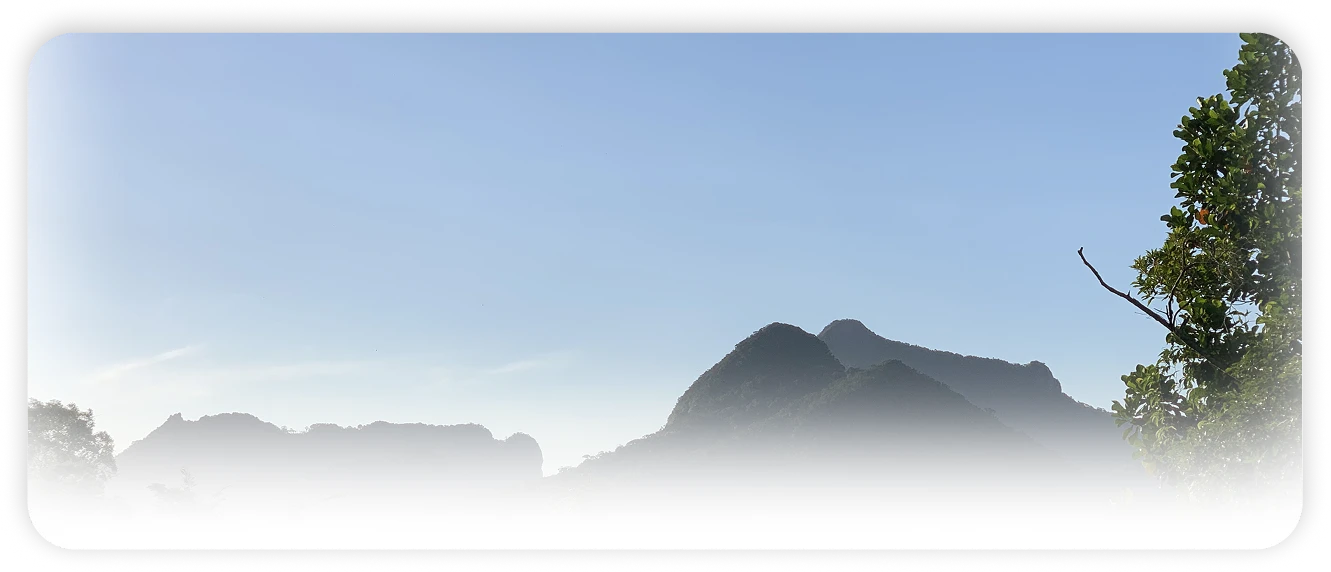
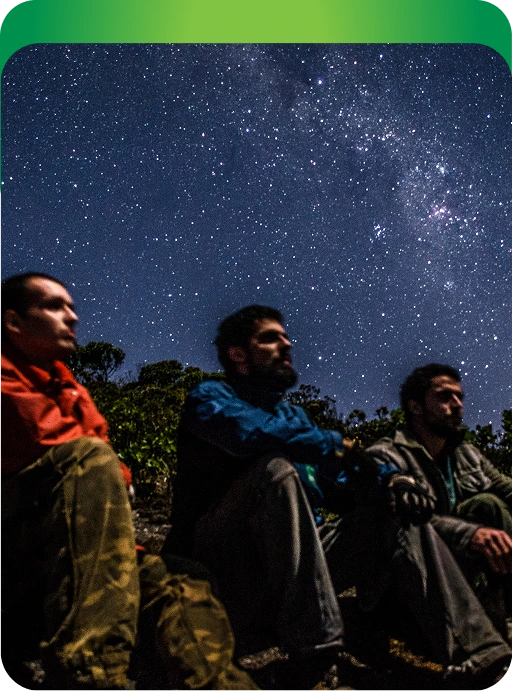
Imagine admiring one of the starriest skies on the planet, surrounded by silence, forest, and history. In the Desengano State Park, recognized as the first Dark Sky Park in Latin America, the night sky is one of the main attractions and an invitation to contemplation.
Santa Maria Madalena is the starting point for this journey, with the charm of a small town, colonial houses, and a mountain climate. The locals welcome you like old friends, and the local cuisine offers the best of rural Rio de Janeiro, with fresh products and recipes that tell stories. A rare experience, where each star seems to guide the way back within yourself.
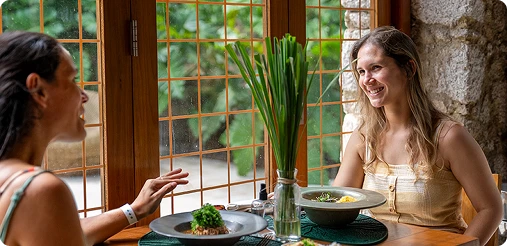
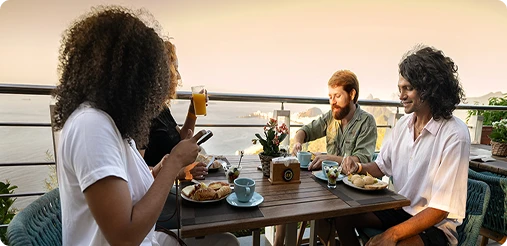
Rio de Janeiro’s gastronomy is as diverse as its landscapes. In the Marvelous City, Globo biscuits with iced mate tea share space with feijoada in award-winning bars or dinner with a view of Pão de Açúcar (Sugarloaf) Mountain. In Niterói, Maricá, and the lake region, flavours blend with the salt of the sea, where moquecas (fish soup), broths, grilled seafood, and fish cakes are seasoned with fresh spices.
In the mountains, colonial coffees shops, artisanal cheeses, jams, and naturally fermented breads translate the mountain flavours. Dishes like smoked trout, entrevero (grilled mix of meats) with pine nuts, and banana cake with chestnuts reinforce the mountain identity, as do the various craft breweries that offer guided tours and gastronomic experiences. Eating well here is an essential part of the trip and a memory that goes in your suitcase!
The predominant climate is tropical, with mild temperatures in the mountains and higher temperatures on the coast. Summer (December to March) brings very hot and humid days, while winter (June to August) is dry, with clear skies and cold nights in the mountains.
The parks can be visited year-round. In the mountains, winter (June to August) offers mist-covered peaks and clear skies – in the Serra dos Órgãos and Itatiaia regions, prior weather assessment is essential for climbing and trekking, especially between October and March, when rainfall can be higher. The coast, on the other hand, has pleasant weather year-round, ideal for combining hiking and diving.
Pack light and comfortable clothes, but don’t forget a jacket for the mountain areas. Wear appropriate footwear for hiking and always bring water, snacks, sunscreen, and insect repellent. Download trail maps in advance or hire local guides. And, of course, respect the park rules.
Embratur and Visit Brasil are not responsible in cases of poor performance or not providing the experience conveyed. Service providers are solely responsible for the activities sold.
Soon, more natural parks itineraries will be launched.
©2025. Embratur & Visit Brasil | All rights reserved.